Compost conditions the soil, works as fertilizer and acts as a natural pesticide for the ground. Many people now use organic compost bins to turn kitchen and garden waste into well-rotted compost that feeds gardens and farmland. So what is an organic compost bin, and how do you make your own? Read on to find out.
What is an organic compost bin?
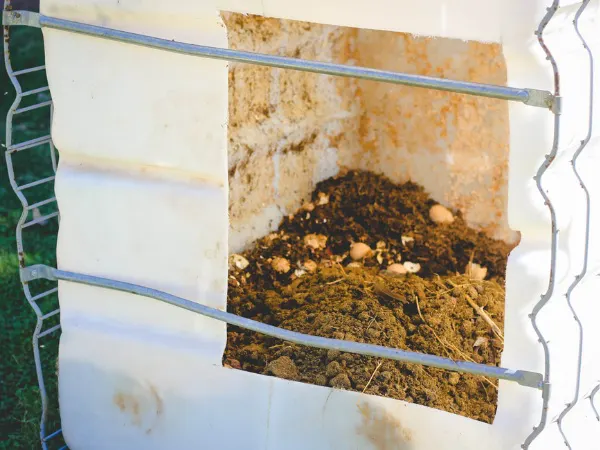
An organic compost bin is an important tool for processing waste and producing organic fertilizer. It is made of virgin HDPE plastic, which withstands high temperatures and is not affected by the surrounding environment. Because it is made from virgin resin, the product is both environmentally friendly and safe for users. The body usually has round holes about 10 - 15 cm apart, plus a door at the bottom for taking out the finished compost easily.
You can make your own compost bin for the following types of waste:
- Chất thải trong nông nghiệp: rơm, rạ, các bộ phận như thân cây, cành cây, lá cây; các loại cỏ…
- Chất thải trong công nghiệp: Vỏ cà phê, bã trà, bã mía, vỏ lạc,…
- Các loại phế liệu từ giấy, sợi (trong nhà máy)
- Đồ ăn thừa, thực phẩm hỏng: rau củ quả, thịt, cá, trứng,…
- Chất thải sinh hoạt: Vải, sợi bông,…
Materials you need
To make an organic compost bin at home, you only need a few simple materials:
- The bin: a plastic, foam or wooden container will do. Plastic is usually preferred for its durability, as it does not crack or fade over time.
- A drill: used to make small holes in the bin so that air can circulate and moisture can escape during composting.
- Composting materials: plant waste such as dry leaves, leftover vegetables and fruit, and plant-based food scraps. Avoid materials that are hard to break down or likely to smell, such as animal bones, quicklime and manure, to keep the compost quality high.
Why make a compost bin at home
Have you noticed that waste left in the house for too long starts to smell? Inorganic waste has no smell by itself; only organic waste that is mixed in or left in the bin for a long time does. Handled properly, the air in your home stays fresher and cleaner. Knowing how to make a compost bin therefore has several benefits:
- Động vật nuôi sẽ ngừng bới thùng rác tìm thức ăn, rác sẽ ít vương vãi. Đồng thời, các loại ruồi, muỗi và côn trùng sẽ bớt dần. Nhờ đó ta hạn chế được sự sinh sôi của các loại bệnh truyền nhiễm do côn trùng mang theo.
- Khi tận dụng nguồn rác thải hữu cơ ngoài môi trường hay trong sinh hoạt để ủ phân bón, bạn sẽ giúp giảm thiểu lượng rác thải ra môi trường.
- Tự làm phân bón hữu cơ tại nhà giúp tiết kiệm được chi phí hơn thay vì mua bên ngoài.
- Có nguồn dinh dưỡng bón cho cây trồng trong nhà.
- Sử dụng phân hữu cơ giúp làm hạn chế sử dụng phân hóa học, bảo vệ môi trường và sức khỏe gia đình hơn.
How to make an organic compost bin
Making your own compost bin saves money, benefits your garden and helps the environment at the same time. The very simple guide below will help you make one at home quickly and effectively.
Step 1. Choose a bin
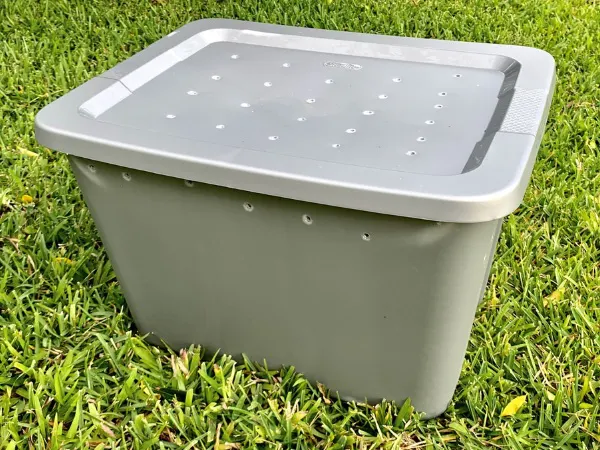
You can design your own or buy a plastic bin with a tight lid, about 60 cm tall or more. The lid keeps moisture in the soil and stops creatures from getting out.
Step 2. Drill holes in the bin
Use a drill or a sharp object to make 8 - 10 small holes in the bin so that air can circulate.
Step 3. Add a base layer
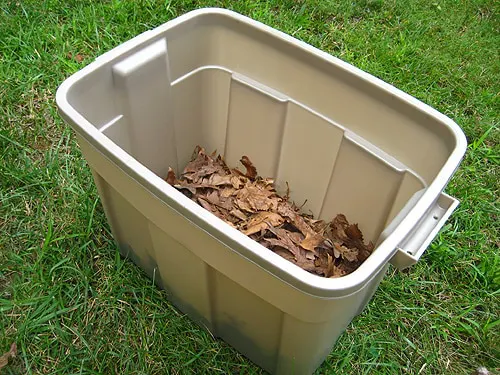
Put some shredded newspaper or dry leaves at the bottom of the bin, filling about 1/8 to 1/4 of it. These materials are easy for anyone to find, and using them also reuses items that would otherwise be thrown away.
Step 4. Add soil and dirt
Spread soil and dirt over the layer of leaves or newspaper until the bin is half full.
Step 5. Add food scraps
Now add any vegetables, leftovers or other products you want to compost. Compost only plant-based items, and avoid bones, quicklime and animal manure, which can breed harmful bacteria. Materials such as eggshells are especially good for compost.
Step 6. Stir the bin
Use a shovel or stick to mix the contents a little, making sure the food scraps are covered with soil.
Step 7. Moisten the bin
Spray with warm water until damp, but do not let the bin get too wet. Too much water can make the compost smell.
Step 8. Drill holes in the lid
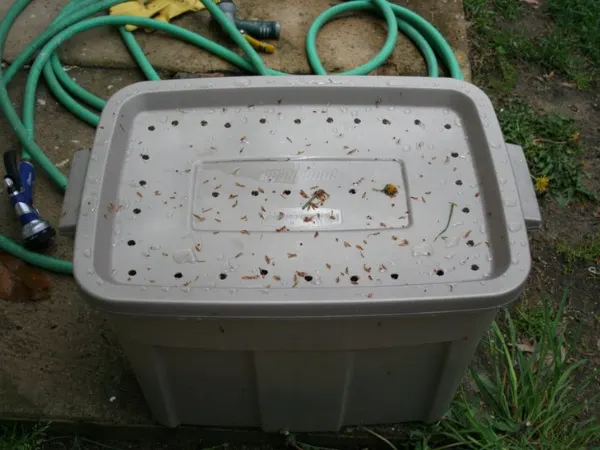
Drill 8 - 10 small holes in the lid, then place a weight on top to hold it on the bin. The holes let air circulate inside.
Step 9. Find a place for the bin
Put the bin in a cool, shaded spot away from the house. If you live in an apartment or have no backyard, you can keep it on a porch or balcony. Avoid a spot with a lot of direct sunlight, or the compost will dry out and the process will be ruined.
Composting can produce bad smells and leaking liquid, and decomposing organic matter attracts insects. Both can seriously disturb daily life at home, so choose a spot far from living areas.
Step 10. Collect the decomposing material
The compost bin is now finished. Add leftover food when you have it and turn everything over each time; mixing well helps organic waste break down faster. To help collect materials for composting, you can also keep a container under the kitchen sink.
Now you only need to wait 2 - 3 months before the compost is ready to use. It can be used as mulch or potting soil, or sprinkled on the lawn as a conditioner. Keep at least 1/3 of the finished compost to start and sustain the next batch.
>> You may also be interested in
- A roundup of industrial plastic waste bins trusted by many businesses.
- The updated 2025 price list of public waste bins.
Basic principles of composting organic waste
Composting relies on biological decomposition by microorganisms. With enough oxygen, moisture and a balance of green and brown waste, microorganisms break the waste down into organic humus. The process can be aerobic or anaerobic; aerobic composting is usually faster and smells less. The result is nutrient-rich compost for plants.
What organic waste to compost and what to avoid
To limit unpleasant smells and keep the finished compost good, the choice of input material matters. Not all organic waste is suitable for composting. Note which types to use and which to avoid:
What to compost
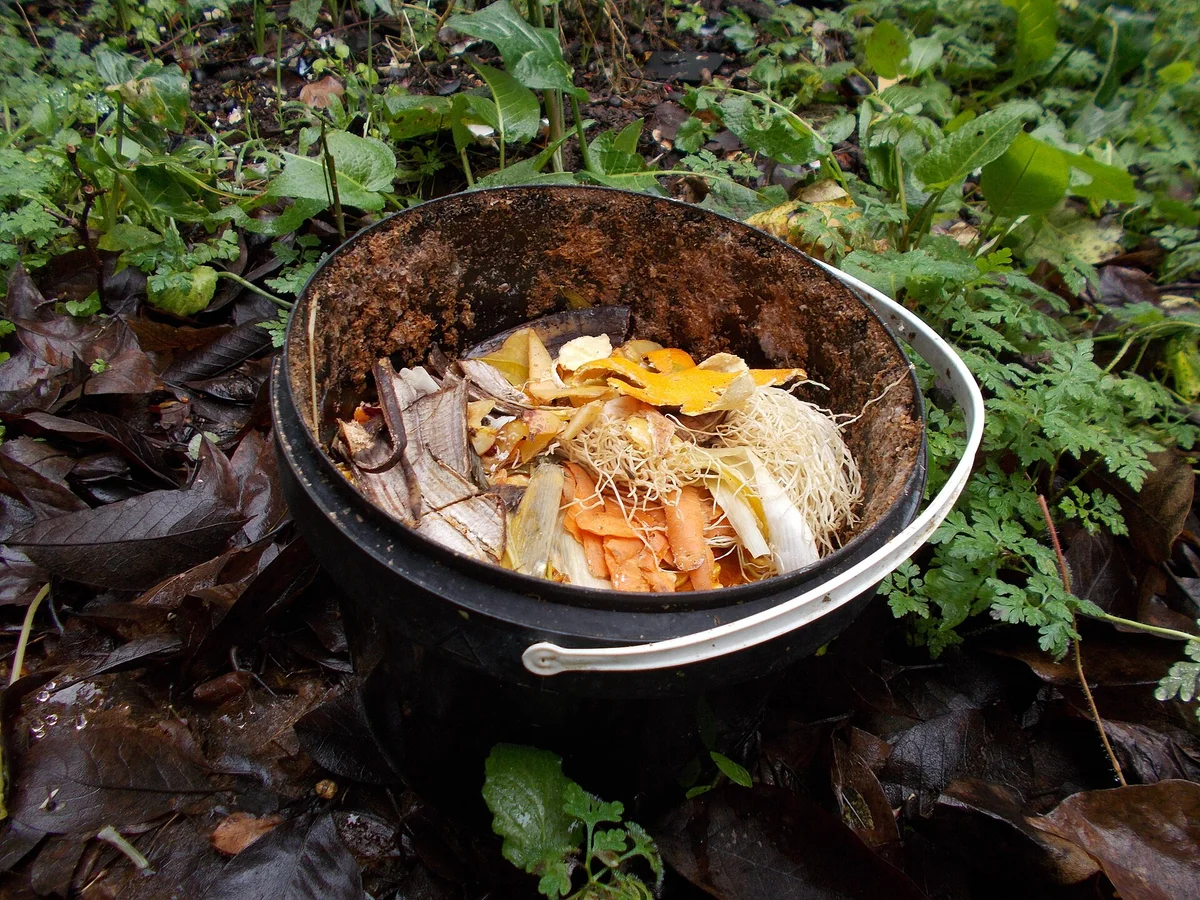
Plant-based organic waste usually breaks down easily and smells little, for example:
- Brown waste: dry leaves, shredded paper, cardboard, straw, dry grass, dry twigs, used tea bags, eggshells, sawdust and so on.
- Green waste: fresh vegetable and fruit peels, freshly cut grass, coffee grounds, leaves, young twigs pruned from ornamental plants and so on.
What to avoid
Avoid materials that pollute or smell strongly, such as meat, fish, bones, egg yolk, dairy products, human or animal waste, treated wood and grease. Also avoid plants containing essential oils (such as lemongrass, mint, orange, mandarin and pine resin), because the oils hinder microorganisms and slow decomposition.
How to use and store compost, and how long it takes
Composting at home usually takes 30 to 60 days, depending on the materials and technique. To speed things up, many people use hot composting, which combines aerobic and anaerobic processes and can shorten the time to about 15 - 20 days.
In the first 7 days the waste starts to ferment, and the liquid can be used to water plants. After about 25 days, if the waste has broken down into a crumbly form, it can be used on plants. If not, keep adding a microbial preparation. When the compost is black, loose and odorless, it is ready to harvest.
To keep the compost in good condition after composting, follow these principles:
- Store in a dry, airy place: keep the compost in a low-humidity, well-ventilated area to limit mold and harmful microorganisms.
- Avoid direct sunlight: cover the compost or keep it in the shade so its quality is not reduced by the sun.
- Keep away from chemicals: never let the compost touch pesticides or toxic chemicals, which can change its composition and harm plants.
Conclusion
Every small action can have a big impact. Recycling organic waste improves your home, the look of the city, your family’s health and, above all, the environment. In big cities around the world, people are recognizing the importance of sorting organic waste and encouraging each other to make compost bins at home for a better world. Join ICD in spreading positive messages for the environment.
We wish you success in making your own compost bin and turning everyday household waste into clean, safe compost. Composting at home saves money and helps keep the environment green, clean and beautiful. Together with ICD, let us live sustainably and spread this good habit to the community.