
Forklifts are equipment for lifting, loading, unloading, and transporting pallets in warehouses, factories, and distribution centers. Choosing the right type from the start helps maximize storage space, avoid overloading, and reduce operating costs. ICD offers electric forklifts, pallet trucks, reach trucks, and order pickers, along with configuration advice based on your warehouse’s actual conditions.
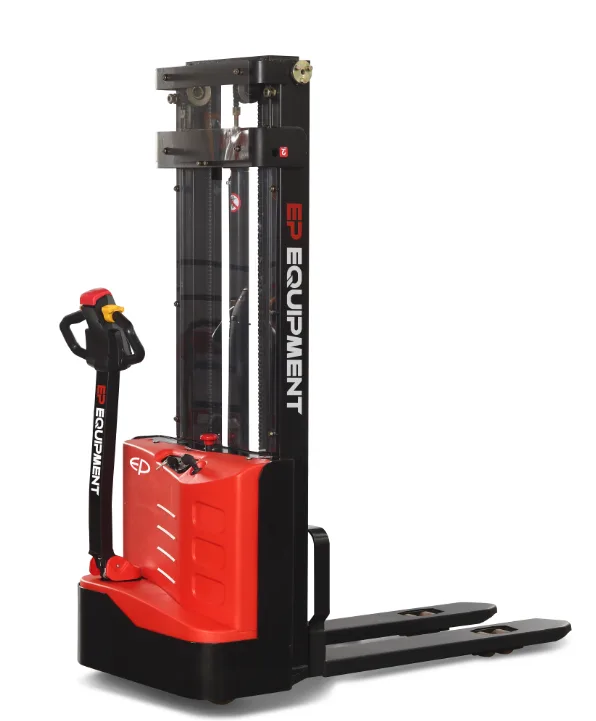
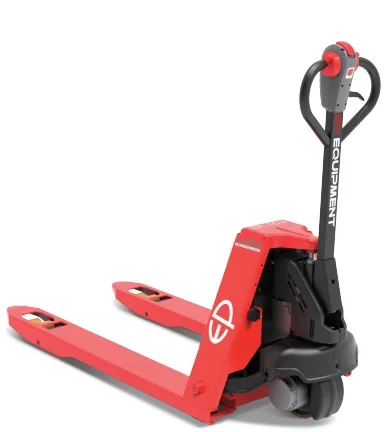
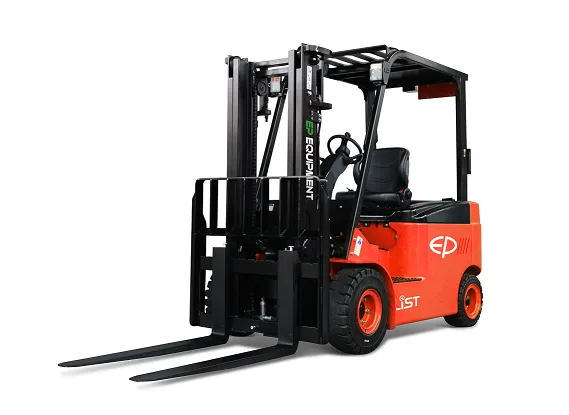
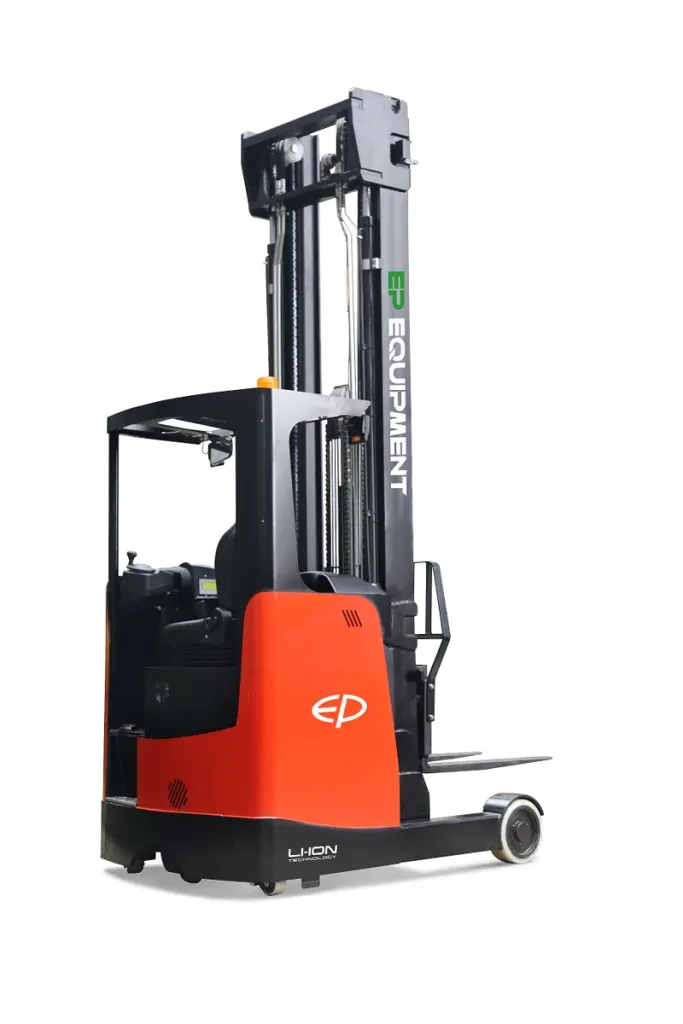
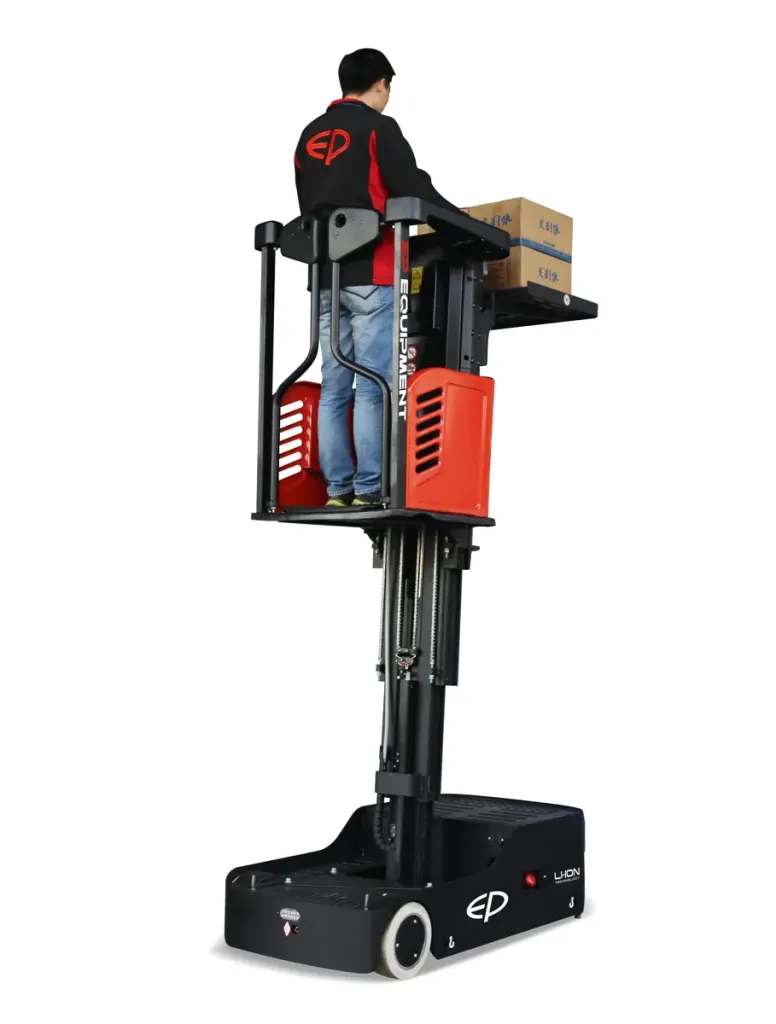
Common types of forklifts and when to use them
| Type | Features | Best for |
|---|---|---|
| Electric pallet truck (powered pallet truck) | Low-lift pallet handling, with electric motor for travel | Transporting pallets over long distances in warehouses, supermarkets, packaging areas |
| Stacker | Both moves and lifts to height (usually a few meters), compact size | Small to medium warehouses, narrow aisles, stacking on low shelves |
| Reach truck | Forks extend deep into racks, high lift height | High-bay warehouses, narrow aisles, logistics centers |
| Counterbalance forklift (sit-down) | Most common, 3 or 4 wheels, long shift operation | Loading/unloading trucks and containers, moving pallets in factories |
| Order picker | Operator rises with platform, picks individual items from racks | Piece-picking warehouses, e-commerce, spare parts |
There are also diesel forklifts for outdoor work, uneven surfaces, or very heavy loads. In enclosed spaces, food warehouses, pharmaceutical warehouses, and cold storage, electric forklifts are often the more suitable choice because they produce no emissions and operate quietly.
5 parameters to finalize before choosing a forklift
- Load capacityCalculate the heaviest load plus pallet; choose a forklift with reasonable margin
- Lift heightMeasure the highest rack beam, add safe clearance when placing the load
- Load centerDistance from the fork face to the load center, typically standard 500 or 600 mm
- Aisle widthMeasure the narrowest aisle and turning space to choose a stand-up or sit-down forklift
- Power sourceChoose lead-acid or lithium battery based on number of shifts and charging time
The load capacity stated on the forklift label is only valid at a specific load center and height. When lifting higher or with an off-center load, the safe lifting capacity decreases. Always check the load chart at the exact lift height you need, not just the number on the label.
Lithium battery or lead-acid battery?
| Criteria | Lead-Acid Battery | Lithium Battery |
|---|---|---|
| Initial investment cost | Lower | Higher |
| Charging time | Longer, typically requires scheduled charging | Fast charging, can be topped up between shifts |
| Maintenance | Requires water refilling, terminal cleaning | Low maintenance |
| Battery lifespan | Shorter | Longer, often offsets initial cost for multi-shift operations |
| Suitability | Single-shift operation, limited budget | Continuous multi-shift operation, need to reduce downtime |
Why choose ICD for forklifts
ICD does not just sell forklifts. Our technical team surveys the warehouse, recommends the right model and configuration, handles delivery, provides operation training, and offers after-sales warranty. With a wide range of vehicles in stock, ICD can combine forklifts with tow tractors and electric cargo carriers in a single intralogistics solution.
Typical forklift products
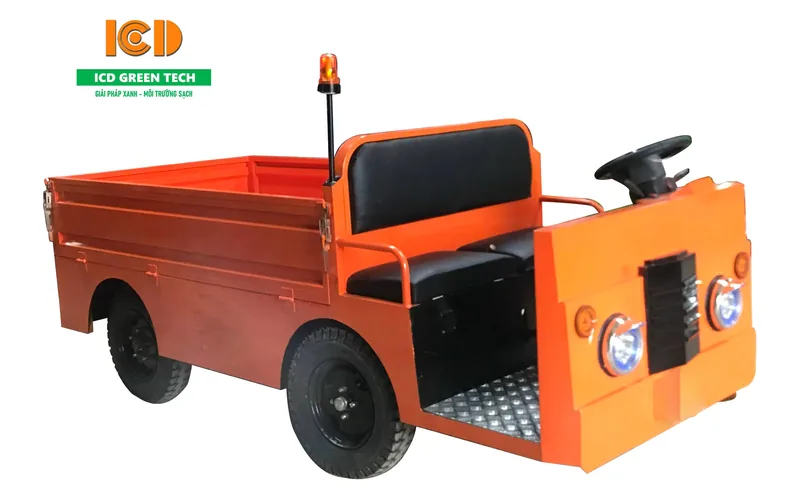 Mini forklift 500kg capacity
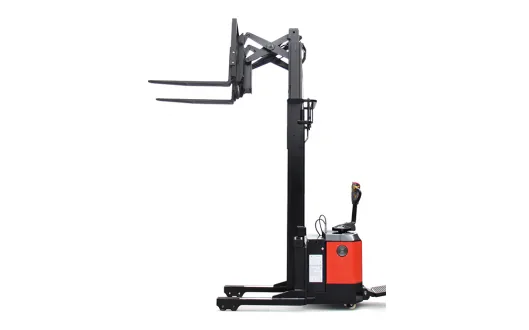 Stand-on electric reach truck CQE15R
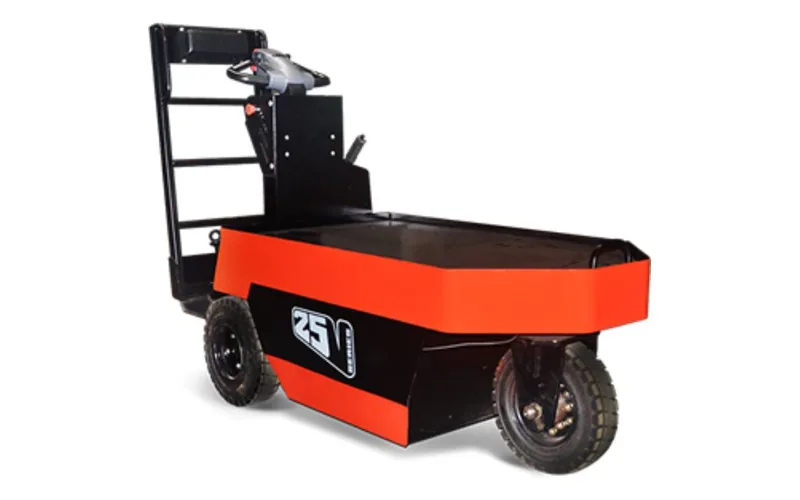 2-ton electric forklift CPD20L1
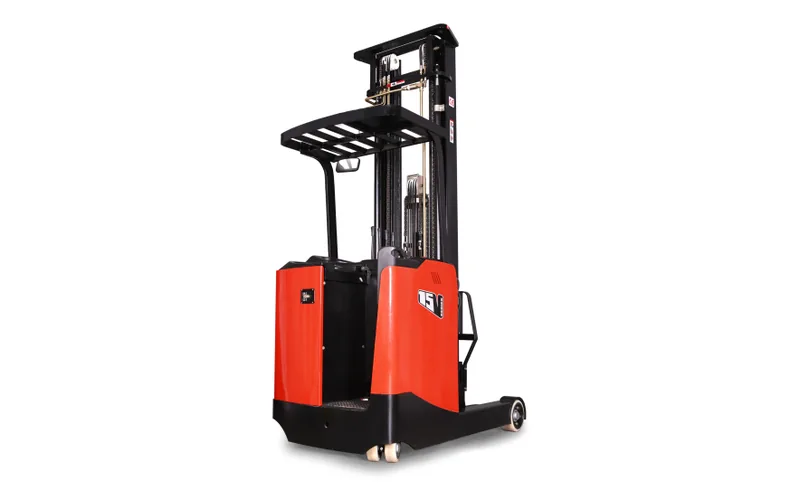 Stand-on electric reach truck CQD15S
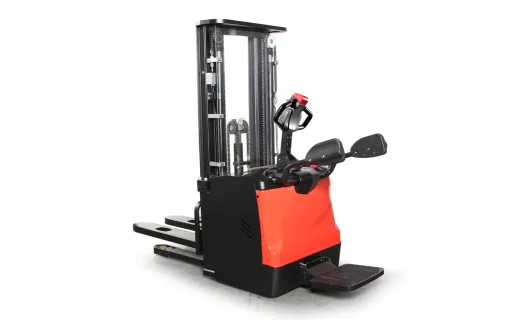 Electric pallet stacker ES14-14RA&20RA
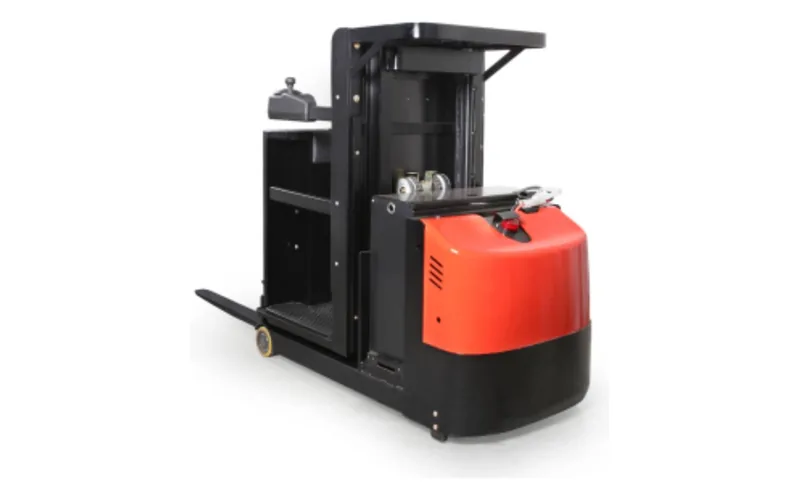 Order picker JX0
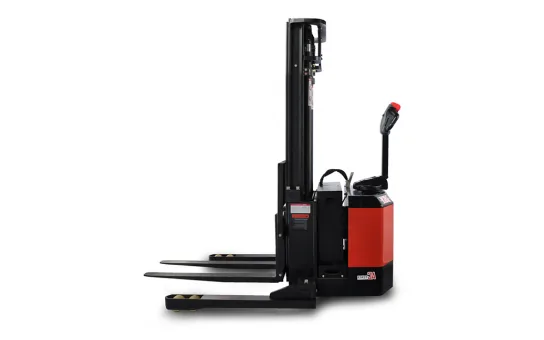 Electric pallet stacker ES14-30WA
- Electric pallet stacker ES14-14RAS
Frequently asked questions about forklifts
Should I buy an electric forklift or a diesel forklift?
For indoor spaces or food and pharmaceutical warehouses, electric forklifts are more suitable because they produce no exhaust fumes and are quieter. Diesel forklifts are better for outdoor use, rough terrain, or very heavy loads. If both environments are involved, discuss with ICD for a combined solution.
How much extra load capacity should a forklift be chosen with?
There is no fixed number. Calculate the heaviest load you regularly lift, then check the load chart at the actual lift height and add a reasonable safety margin. ICD supports this calculation during the survey.
Which forklift should be used for narrow aisles?
Consider a stand-on reach truck or stacker because their turning radius is smaller than that of a sit-down counterbalance forklift. Measure the narrowest aisle to choose correctly.
Does ICD provide operating instructions and warranty?
Yes. Each truck is delivered with safe operating instructions and a warranty policy specific to each piece of equipment, as stated in the quotation.
Call the hotline 024 2200 9188 or send a request to ICD. The technical team will respond with a solution that fits your space and budget.