The global plastic pallet market is entering a significant growth phase as industries around the world seek efficient, sustainable, and cost-effective logistics and supply chain management solutions. In 2024, the market is expected to continue expanding, driven by increasing demand from sectors such as manufacturing, e-commerce, healthcare, and the food industry. In this context, the pallet pooling system is becoming a key trend, offering substantial cost and sustainability benefits.
Market Overview

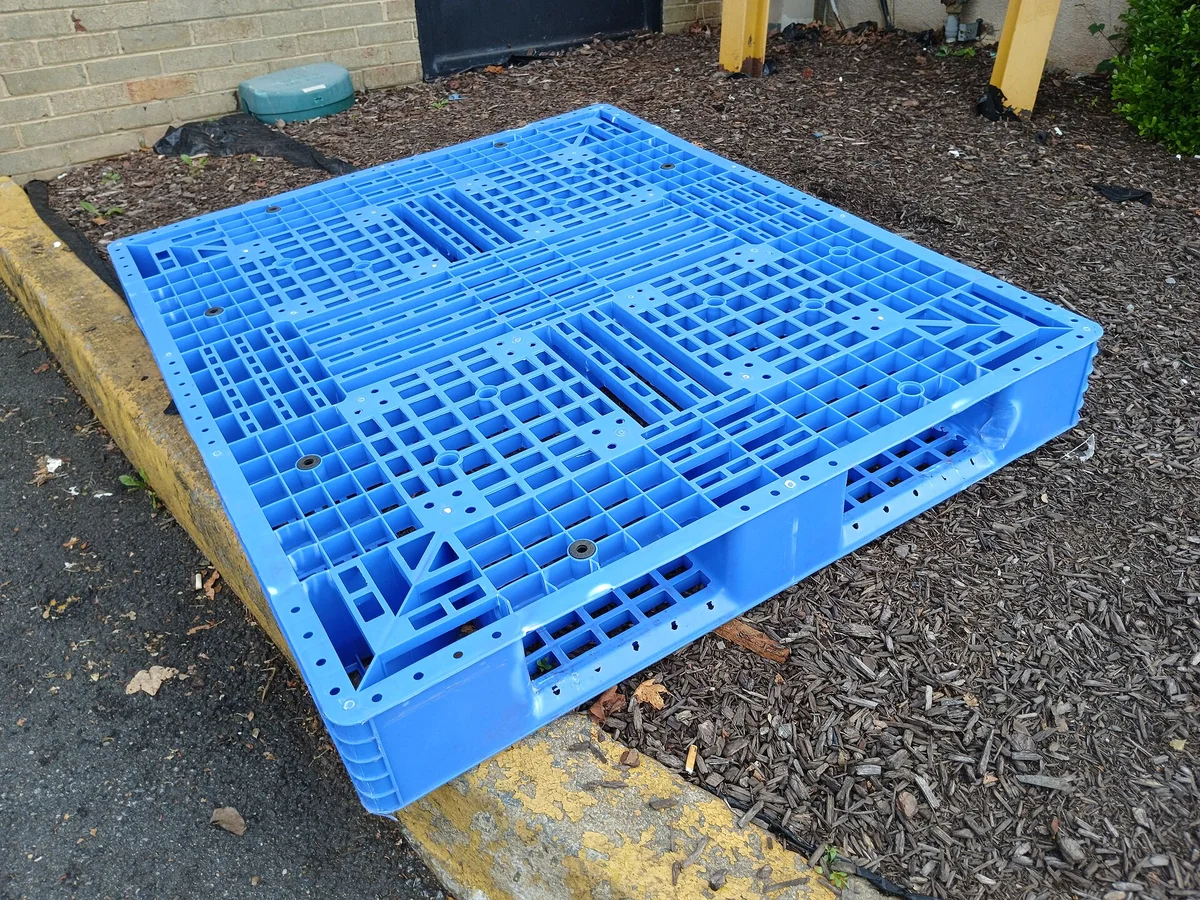
Plastic pallets, made from durable plastic materials such as HDPE, are essential transport structures in modern supply chains. Compared to wooden pallets, plastic pallets have a longer lifespan, are reusable many times, and pose less risk of contamination or cross-contamination, especially in industries with high hygiene standards such as pharmaceuticals and food. In 2023, the Pallet Pooling segment held a significant market share globally, and forecasts indicate that this segment will continue to grow strongly in the 2024-2031 period.
Plastic pallet pooling services allow companies to share and reuse pallets within a logistics network, reducing operational costs and optimizing logistics processes. This aligns with the sustainable development strategies of many businesses today as they strive to reduce carbon emissions and protect natural resources.
Market Growth Drivers
- Transition to Sustainable Production and Green Supply Chain: Companies worldwide are increasingly prioritizing sustainable solutions to reduce greenhouse gas emissions and use resources more efficiently. Plastic pallets, with their ability to be reused multiple times without harming the environment, have emerged as an ideal choice to meet these requirements. From large manufacturers to small businesses, the adoption of plastic pallets is helping to reduce waste and optimize supply chain operations.
- The Boom of E-commerce: The e-commerce industry is growing rapidly as global consumers shift to online shopping. Online retailers and e-commerce logistics companies need a large volume of plastic pallets for storing, managing, and transporting goods. E-commerce warehouses often use plastic pallets because of their durability, light weight, and high compatibility with automated systems such as conveyor systems and automated storage.
- Automation and RFID Technology Application: RFID (Radio Frequency Identification) technology is being actively deployed in the logistics sector for pallet tracking and inventory management. Companies like iGPS have invested in advanced warehouse management systems using this technology, enabling accurate tracking and optimization of warehouse operations. The combination of plastic pallets and automation technology not only reduces errors but also improves real-time supply chain management and tracking.
Regional Analysis
1. North America: The North America region continues to lead the global plastic pallet market, accounting for 38,22% of the market share in 2022. Large investments in warehouse management technology and automation systems have driven the demand for plastic pallets here. Moreover, major companies like iGPS are accelerating the application of RFID technology and management software, improving supply chain performance and reducing carbon emissions. With the strong adoption of advanced technologies and the presence of many large manufacturers, North America will continue to maintain its leading position in this market.
2.Europe: Europe accounted for 19,76% of the market share in 2022, with countries such as Germany, France, and the United Kingdom playing key roles in market development. This region is notable for its large expenditures on logistics infrastructure and a focus on improving supply chain efficiency. Euro Pool Group, a major company in the pallet pooling sector in Europe, has developed outsourced pallet management services through the My LPR platform, helping customers reduce costs and increase operational efficiency. Europe is also leading in the adoption of green and sustainable initiatives, making plastic pallets a preferred choice in the region’s supply chain.
3.Asia-Pacific: This region is expected to be the fastest-growing during the forecast period, with a CAGR of 6,45%. Major markets such as China, India, Japan, and Southeast Asian countries are witnessing a strong increase in the retail and e-commerce sectors, creating high demand for plastic pallets and pallet pooling services.
- China is a global manufacturing hub, with the development of automated factories and supply chains. E-commerce in China continues to boom, increasing demand for optimal logistics solutions such as plastic pallets.
- India has become one of the fastest-growing manufacturing countries, with the manufacturing sector contributing 16-17% to the country’s GDP. Key industries such as automotive, engineering, chemicals, and consumer goods are increasingly using modern logistics solutions, in which plastic pallets are an indispensable part.
- Vietnam is one of the bright spots in the Asia-Pacific market. With a strong increase in foreign investment and the booming development of the processing and manufacturing industry, as well as e-commerce, the demand for efficient logistics solutions such as plastic pallets is rising. Vietnamese enterprises are increasingly interested in improving supply chains and optimizing logistics operations through the adoption of technology and the use of sustainable materials. The development of warehouse centers and large industrial parks in Vietnam has created significant opportunities for the plastic pallet market to grow. Additionally, domestic and international logistics companies are investing in automated warehouse management technology and smart tracking solutions, helping to improve operational efficiency and reduce management costs.
4. South America: Accounting for 6.88% of the market share, this region is experiencing growth thanks to pilot projects and the application of new technologies. CHEP, one of the leading companies in the pallet pooling industry, has deployed a pallet tracking system using IoT devices to reduce losses and enhance supply chain control.
5. Middle East and Africa: With only 4.02% market share, the Middle East and Africa is a smaller region but has development potential thanks to the launch of new pallet pooling services. For example, in 2020, CHEP expanded its operations in Jordan and neighboring areas, providing pallet pooling services to consumer goods manufacturing companies.
Market Challenges

Despite its great potential, the plastic pallet market still faces significant challenges. Industries requiring high hygiene standards, such as food and pharmaceuticals, are particularly concerned about the risk of cross-contamination. Although plastic pallet pooling service providers have implemented many measures to clean and preserve pallets, the risk of contamination remains, especially when pallets are used in harsh environments or exposed to chemicals. Additionally, the production cost of plastic pallets is higher than that of wooden pallets, along with quality management and ensuring pallet durability in cold supply chains, are factors that need to be addressed.
Opportunities and Future Prospects
Despite the challenges, the global plastic pallet market still has strong growth prospects. The integration of technologies such as RFID, IoT sensors, and smart warehouse management systems is opening up many opportunities for logistics companies. Businesses that are pioneers in adopting technology and automated solutions will have a significant competitive advantage, helping to improve supply chain efficiency, reduce costs, and enhance sustainability.
The combination of reasonable cost, durability, and reusability of plastic pallets has made them an indispensable part of the modern supply chain. With more and more companies recognizing the economic and environmental benefits of using plastic pallets, 2024 promises to be a pivotal year for the growth of this industry. The shift toward sustainable solutions, especially in the context of rising demand from the e-commerce and manufacturing sectors, will continue to shape the future of the global plastic pallet market.